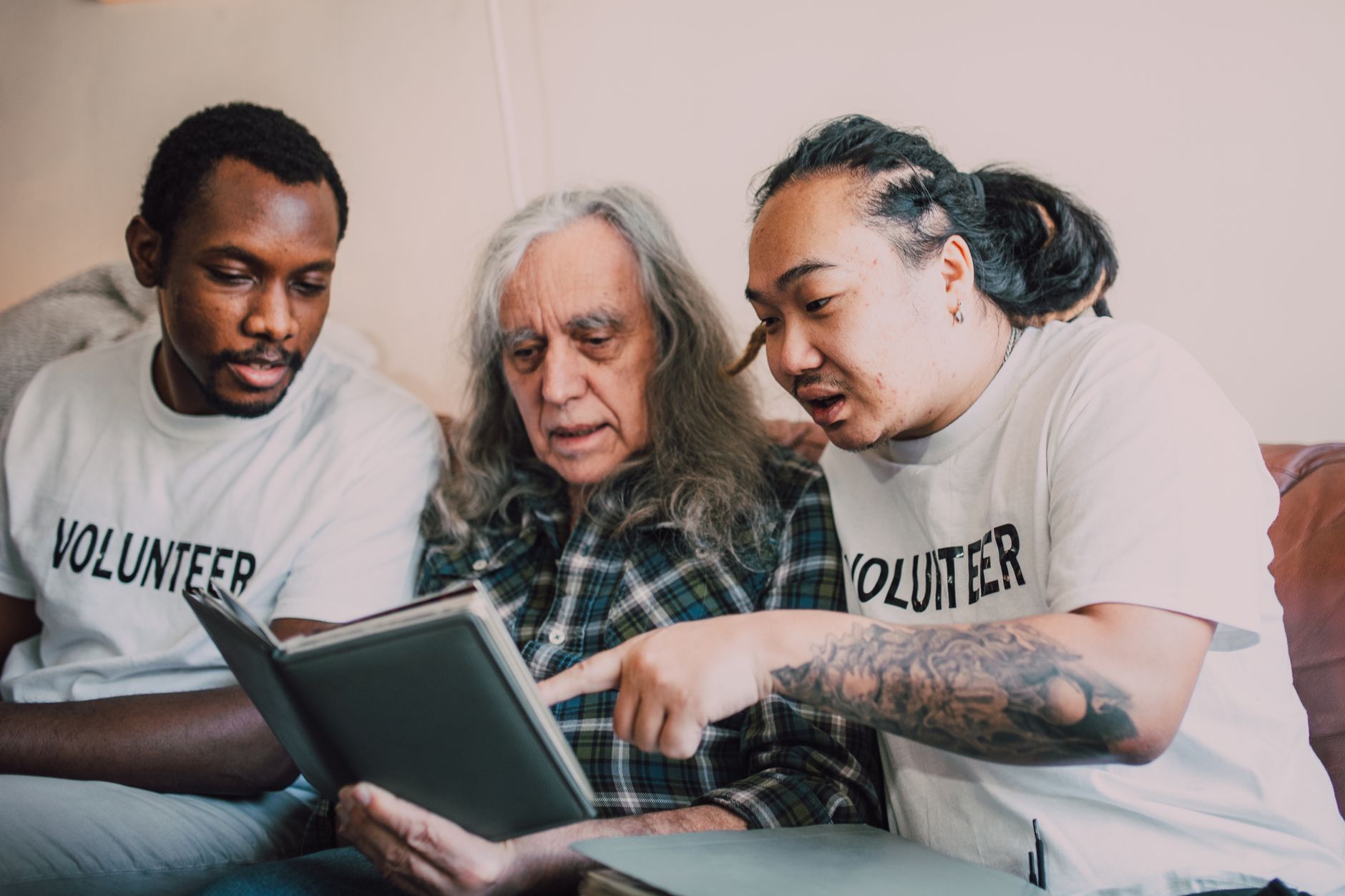
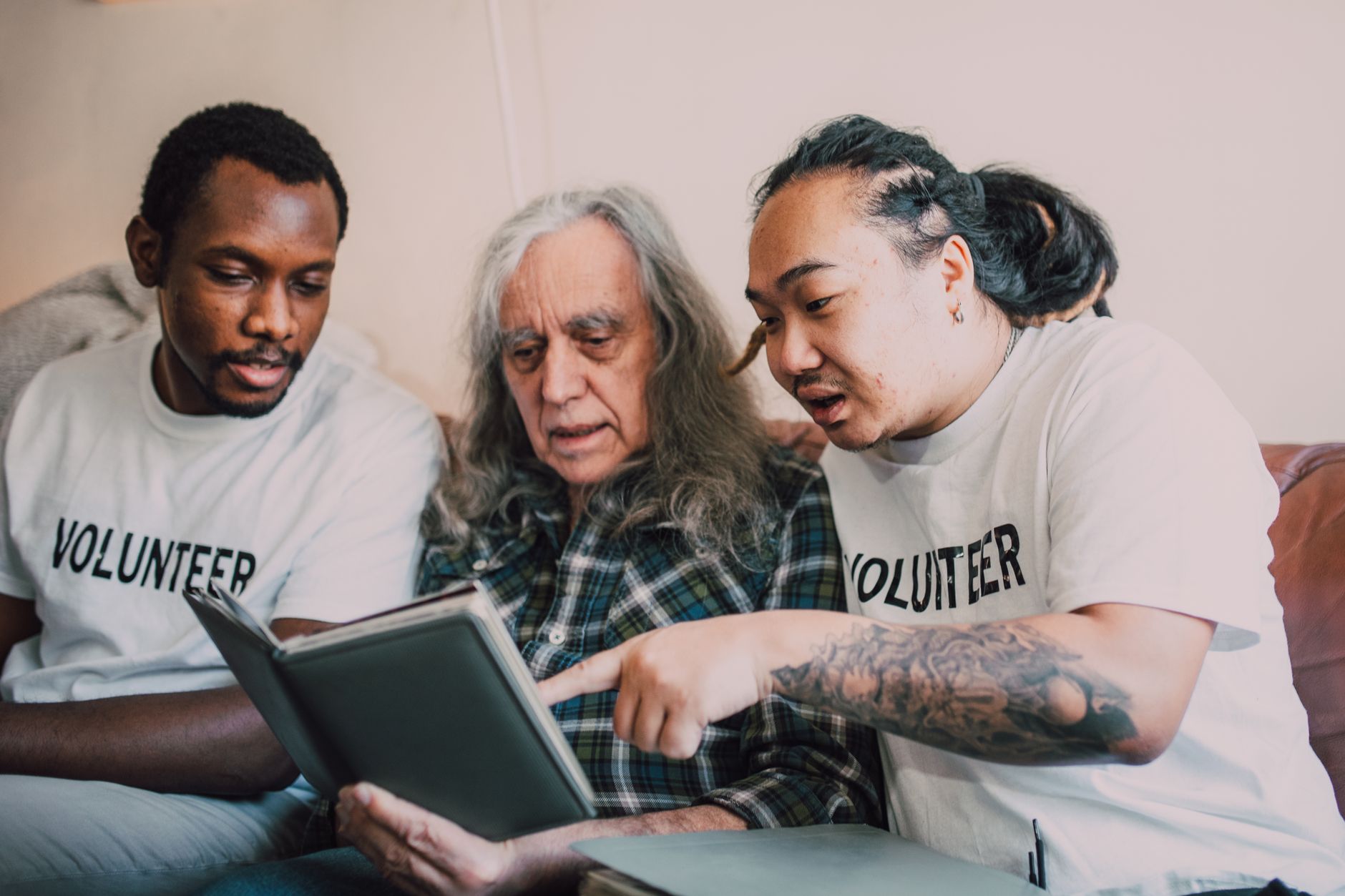
Volunteering: The Hobby That Gives Back More Than You Put In
Most hobbies ask you to invest time, money and energy in exchange for personal enjoyment. Volunteering does something different — it returns more than you contribute. If you have been searching for a meaningful way to spend your free time but feel like nothing quite fits, volunteering may be the answer you haven't seriously considered yet. It costs nothing to start, requires no prior experience and delivers rewards that a gym membership or weekend class simply cannot match.
In short: volunteering is one of the most accessible and personally enriching activities available to anyone with a few spare hours and a genuine desire to help.
Key Takeaways
- Volunteering builds real skills — from leadership and communication to project management and technical expertise — that transfer directly to your professional and personal life.
- The social connections formed through volunteering are unusually strong because they are built around shared purpose rather than shared circumstance.
- You do not need a particular background — every community organisation needs a wide range of contributions, from practical hands-on help to digital, administrative and creative support.
- Starting is simpler than most people expect — platforms like HelpPoint connect volunteers with opportunities that match their interests and availability in just a few steps.
- The sense of purpose volunteering creates is lasting — it is not a one-off mood boost but a sustainable source of meaning built over time.
Why Volunteering Beats Traditional Hobbies for Personal Fulfilment
Traditional hobbies — painting, running, learning an instrument — are genuinely valuable. But they are largely self-contained. The satisfaction you feel is personal, and the impact stays with you. Volunteering operates on a different level because the fulfilment runs in two directions simultaneously: you grow, and so does the world immediately around you.
Consider someone who takes up pottery. They develop patience, creativity and a beautiful new skill. Now consider someone who volunteers at a community garden teaching children how to grow food. They develop exactly the same qualities — patience, creativity, practical skill — and also watch a child light up when they pull their first carrot from the earth. That second layer of meaning is what makes volunteering categorically different from most leisure activities.
This is not about guilt-tripping anyone away from their existing hobbies. It is about pointing out that volunteering offers something most hobbies do not: a reason that extends beyond yourself.
The Personal Benefits of Volunteering That Might Surprise You
You will develop skills you cannot easily learn elsewhere
Community organisations often give volunteers real responsibility early. You might find yourself coordinating a team of ten people on your third Saturday, or managing social media for a cause you care about, or mediating a difficult conversation at a community meeting. These are not simulated exercises — they are live situations where your contribution genuinely matters. That accelerates skill development in a way that courses and workshops rarely match.
You will meet people you wouldn't otherwise encounter
Volunteering brings together people across different ages, professions, backgrounds and life stages who would rarely share the same social spaces otherwise. The friendships formed in these environments tend to be robust because they are anchored in shared values and collective effort rather than proximity or habit. Many volunteers describe these connections as among the most genuine relationships in their lives.
You will discover interests you didn't know you had
Volunteering exposes you to sectors, communities and challenges that most people never encounter in their daily routines. Someone who volunteers at an environmental NGO may discover a deep interest in conservation science. Someone helping at a youth mentoring programme may realise they have a natural gift for coaching. These discoveries can redirect careers, spark new passions and reshape how people understand what they are good at.
You will find a steady source of purpose
Purpose is not something you either have or don't — it is something you build through regular, meaningful action. Volunteering provides a consistent structure for that. Knowing that your presence on a Saturday morning makes a tangible difference to a food bank, an animal shelter or a literacy programme creates a kind of grounding that is hard to replicate through passive leisure.
Getting Started: A Practical Step-by-Step Guide
The biggest barrier to volunteering for most people is not reluctance — it is not knowing how to begin. These steps make it straightforward.
- Identify what genuinely interests you. Think about causes you already care about, communities you feel drawn to, or skills you would like to use or develop. Volunteering aligned with your natural interests will sustain your motivation far longer than a random choice.
- Be honest about your availability. You do not need large blocks of time. Many organisations welcome regular commitments of a few hours a week, or even occasional one-off contributions. Knowing your realistic window helps you filter opportunities sensibly.
- Use a platform to find the right match. HelpPoint makes it easy to search volunteer opportunities by cause, location, time commitment and skill set, so you can find roles that genuinely fit your life rather than forcing your life around a role.
- Reach out and ask questions first. Before committing, have a conversation with the organisation. Understand what the role involves day-to-day and confirm it aligns with what you are hoping to contribute and experience.
- Start small and let it grow. A single afternoon is enough to begin. You are not signing a contract — you are starting a relationship. Many long-term volunteers started with one tentative session and found themselves returning week after week because the experience resonated.
What to Expect in Your First Few Sessions
It is worth setting realistic expectations early. Your first session will likely involve orientation, introductions and relatively simple tasks. You may feel slightly out of place — that is entirely normal and usually resolves quickly once you understand the rhythm of the organisation and the people around you.
Give yourself three to four sessions before forming a firm opinion. Most volunteers report that their sense of connection and contribution grows noticeably after they move past the initial unfamiliarity. The reward deepens as you become a known presence and your contributions carry more weight.
Matching Your Skills to the Right Opportunity
One common misconception is that volunteering means physical labour or face-to-face work with vulnerable people. In reality, the range of volunteer roles is as broad as the workforce itself.
| Your background or interest |
Potential volunteer roles |
| Writing and communications |
Content creation, newsletter editing, grant writing support |
| Technology and digital skills |
Website management, data entry, social media coordination |
| Teaching or coaching |
Tutoring, youth mentoring, skills workshops |
| Practical and trade skills |
Building, repairs, event setup and logistics |
| Finance and administration |
Bookkeeping, budgeting support, record management |
| No specific expertise yet |
General support, community outreach, event assistance |
Frequently Asked Questions
How much time do I need to commit to volunteering?
There is no universal requirement. Many organisations welcome volunteers for as little as two to three hours a week, while others offer flexible one-off opportunities for people with unpredictable schedules. When searching on HelpPoint, you can filter specifically by time commitment so that the roles you find are realistic for your life rather than aspirational.
Do I need qualifications or experience to volunteer?
For the vast majority of volunteer roles, no formal qualifications are required. Organisations value enthusiasm, reliability and genuine commitment far more than credentials. Some specialist roles — working with children, providing medical support — may involve a background check or brief training, which the organisation will arrange and explain clearly before you begin.
What if I try volunteering and it isn't for me?
That is a legitimate possibility, and there is no obligation to continue if a particular role or organisation does not feel right. The more useful question is whether the specific placement was the wrong fit, rather than whether volunteering itself is. A different cause, a different type of task or a different organisation often makes an enormous difference. HelpPoint exists precisely to help you find the right match rather than settle for the nearest available option.
Your Next Step Starts with One Decision
You do not need to overhaul your schedule, master a new skill or make a long-term commitment to begin. You need one decision: to look. Browse what is available on HelpPoint, see what resonates and reach out to a single organisation. That first message takes less than five minutes and it is the only thing standing between where you are now and an experience that people consistently describe as one of the most rewarding they have ever had.
Volunteering is not a sacrifice of your free time — it is one of the best investments you can make with it.
Related: fills your life with purpose
Related: builds confidence skills and friendships
Related: transforms free time into friendships
Related: hobby that changes you deeply
Related: free time acquires real purpose