
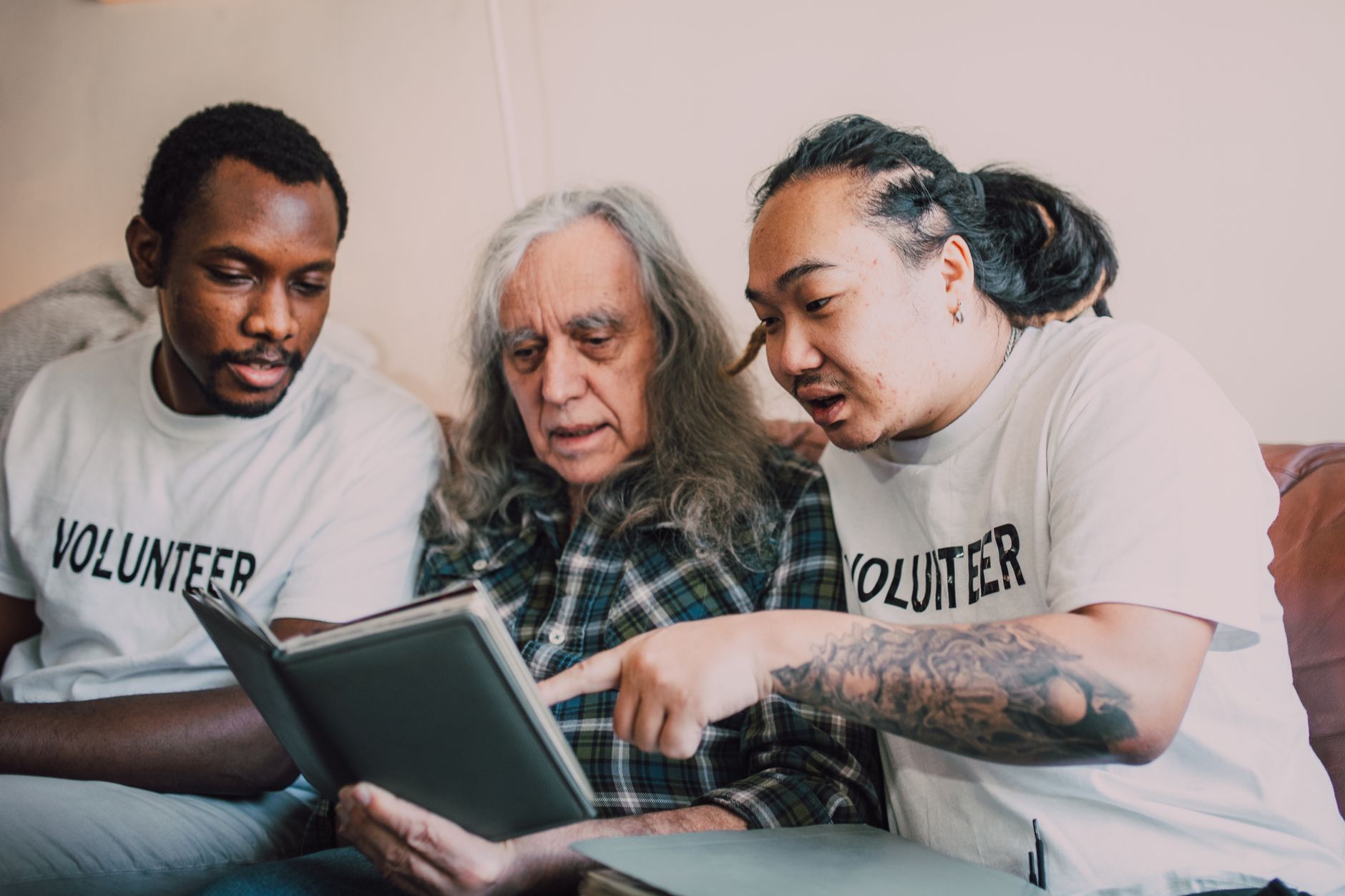
Why Volunteering Is the Most Rewarding Hobby to Try
<h2>Volunteering: The Hobby That Gives Back More Than You Put In</h2> <p>Most hobbies ask you to in...
 Alexandros Kourtis
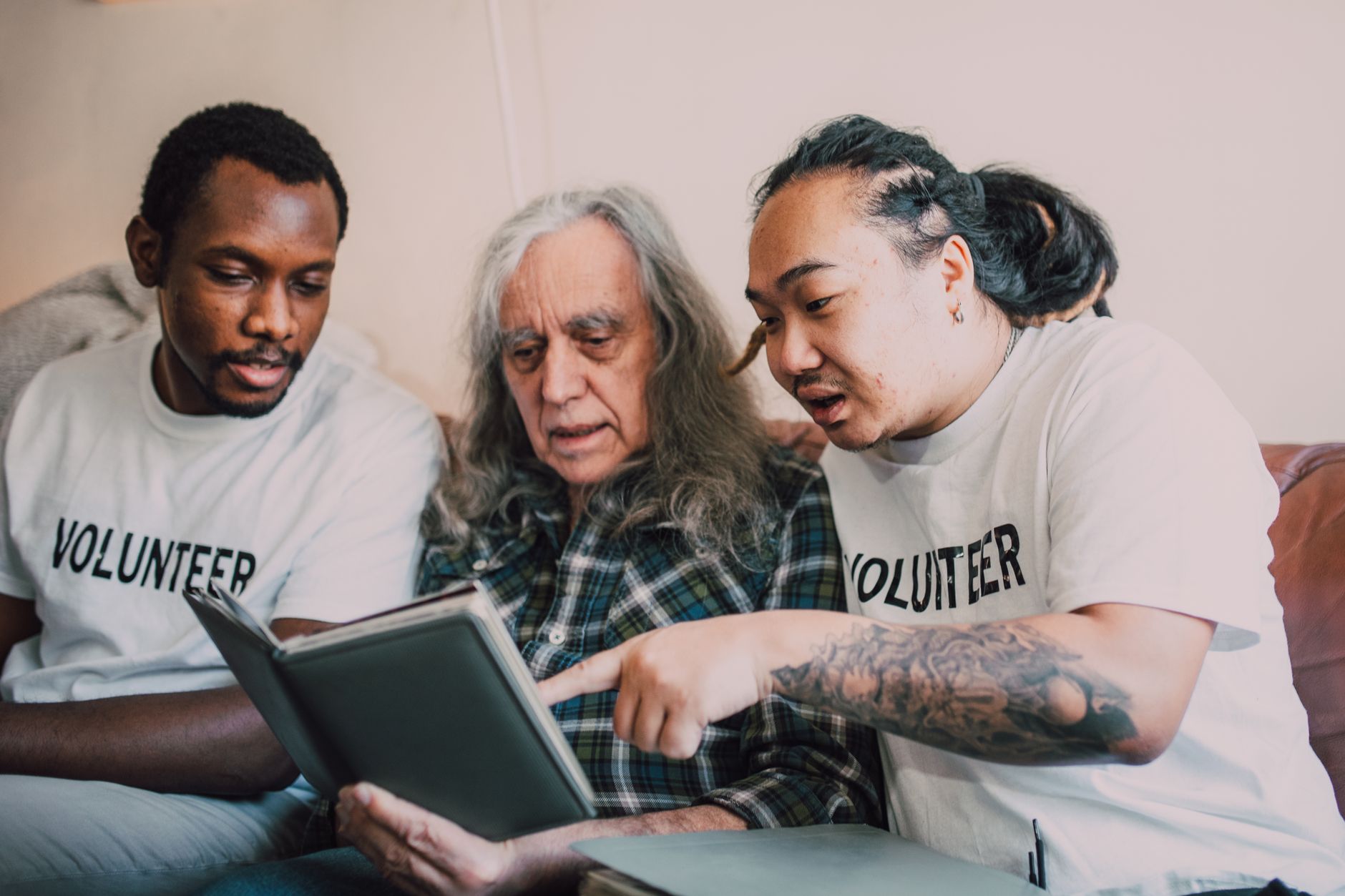
Most people start volunteering because they want to give something back. What surprises them is how much they receive in return — not just warmth and community, but a genuinely richer skill set that transfers directly into professional life. If you're looking for a hobby that fills your weekends with meaning and quietly builds your capabilities, volunteering is one of the most underestimated choices available to you.
The short answer: volunteering builds real, marketable skills — from leadership and communication to project management and cross-cultural empathy — in environments where the stakes feel human rather than corporate. That combination makes the learning stick in a way that training courses rarely do.
Paid jobs come with a supervisor, a job description and an expectation that you already know what you're doing. Volunteering flips that dynamic. Organisations are genuinely grateful for your time and far more willing to let you try, stumble and try again. That psychological safety is rare — and it's exactly the condition under which adults learn best.
Consider someone who has spent years in an office-based role and volunteers on weekends at a community food bank. Within a few months they might find themselves coordinating delivery rosters, briefing a team of twelve strangers and troubleshooting a supplier cancellation on the spot. None of that was in a job description. All of it built confidence and competence that translated directly back into their professional life.
Volunteer teams are rarely homogeneous. You will work alongside people of different ages, professions, languages and lived experiences. Learning to explain an idea clearly to a retired teacher, a university student and a recent migrant — in the same afternoon — sharpens your communication instincts in a way that few workplace environments can replicate. Active listening, plain language and reading a room all become second nature.
One of the most valuable leadership lessons is learning to motivate people who have no obligation to follow you. Volunteers choose to be there. If you want them engaged and moving in the same direction, you have to lead through enthusiasm, clarity and trust rather than hierarchy. This is precisely the kind of leadership that modern organisations value most — and it is very hard to practise anywhere except a voluntary setting.
Many volunteering roles involve organising something: a fundraising drive, a community clean-up, an awareness campaign, a skills workshop. You will plan timelines, allocate tasks, manage budgets (often very tight ones), handle last-minute changes and report on outcomes. These are textbook project management competencies, earned through direct experience rather than a certification course.
Working directly with people facing difficult circumstances — whether that is food insecurity, loneliness, disability or displacement — develops a quality of human understanding that no classroom can teach. Empathy, patience and the ability to remain calm and present under emotional pressure are increasingly recognised as core professional skills, not soft extras.
Volunteer organisations typically operate with limited resources. Things go wrong, supplies don't arrive, plans change. The habit of improvising constructively — staying solution-focused rather than frustrated — is one of the most transferable skills a person can carry into any professional context.
The relationships formed through volunteering tend to be unusually authentic. You meet people not because they attended the same conference or work in the same industry, but because you share a value: the belief that giving time to something bigger than yourself matters. Those shared values create bonds that outlast the volunteer project itself.
Practically speaking, those bonds open doors. A fellow volunteer might introduce you to an employer, recommend you for a contract, invite you to collaborate on something new, or simply become a trusted friend who broadens your perspective on the world. HelpPoint makes it straightforward to find volunteer roles that match your interests and schedule, so you're more likely to meet people who genuinely energise you.
Skills acquired without motivation tend to fade. Skills learned in a context you care about tend to compound. This is the quiet engine behind volunteering's career value: when the work matters to you, you show up fully, you reflect on what you're doing and you push through difficulty rather than stepping back from it.
Many people describe volunteering as the first time they've felt genuinely absorbed in something outside of work obligations. That sense of flow — of being stretched in the right direction — is both personally fulfilling and professionally sharpening. It's worth taking seriously as a reason to choose volunteering over a more passive weekend hobby.
One of the most common reasons people delay volunteering is the fear of taking on too much. The practical answer is to start small and specific.
No. Most volunteer roles are designed to be accessible to people with no prior experience in that area. Organisations will train you in what you need to know. What they value most is reliability, genuine interest and a willingness to engage — all qualities that any person can bring from day one.
Even a few hours a month in a consistent role will produce meaningful growth over time. The key word is consistent: showing up regularly, even briefly, allows relationships to deepen and skills to accumulate. Sporadic involvement still creates value, but a steady rhythm creates significantly more.
Yes, in a very practical sense. Volunteering allows you to build experience in a field you haven't worked in professionally, demonstrate commitment to a cause area and make connections with people already working in that space. Many people use volunteer roles as a low-risk way to explore a career pivot before making any formal move.
Related: builds confidence and practical skills
Related: most rewarding hobby to try
Related: fills your life with purpose
<h2>Volunteering: The Hobby That Gives Back More Than You Put In</h2> <p>Most hobbies ask you to in...